


The Market That Never Sleeps: Why Onitsha Is Africa’s True Commercial Powerhouse
Behind the noise, the crowds, and the endless transactions, Onitsha’s market is more than just a trading hub, it is a living engine driving Nigeria and West Africa’s economy.
The Market That Defines a City
When you think of a market, images of stalls, vendors, and bargaining come to mind. But in Onitsha, Anambra State, southeastern Nigeria, the word “market” takes on an entirely different meaning. Onitsha Main Market is not just a shopping space, it is a sprawling economic giant that powers livelihoods, fuels international trade, and defines the identity of a city.
The Onitsha market has been described as the beating heart of commerce in West Africa. With millions of traders, buyers, and visitors passing through its streets daily, it is more than just an exchange point for goods—it is a symbol of resilience, entrepreneurship, and cultural heritage. But why does this market continue to hold such a central role in Nigeria’s economy?
The Market With Deep Roots in History
The origins of Onitsha Market date back to the early 1500s, when the Onitsha people settled by the banks of the River Niger. What started as a periodic trading center evolved into a daily market, growing in size and influence through centuries. From cowries to colonial trade, from barter to modern banking, the market has always adapted.

This adaptability is what made it survive colonial rule, the Nigerian Civil War, devastating fires, and economic downturns. While many markets collapse under such challenges, Onitsha continues to rebuild, expand, and thrive. The question is: what makes this market so unique?

Why Onitsha Market Matters
The market is more than an economic hub, it is a social and cultural institution. Here’s why it matters:
1. Economic Powerhouse:
Onitsha Main Market handles an estimated $5 billion in trade annually. This staggering volume makes it one of the largest in Africa. Beyond big numbers, the market supports over two million people directly and indirectly through trading, transportation, logistics, and SMEs.
2. Cultural Symbol:
To the Igbo people, trade is not just about money, it is about identity. The market embodies the spirit of hard work, resilience, and enterprise that defines Igbo culture.
3. Regional Influence:
Traders from Cameroon, Ghana, Benin, and Niger, as well as international suppliers from Asia and Europe, all converge on Onitsha. This market is not just Nigerian, it is global.
4. Job Creation:
From wheelbarrow pushers to import/export merchants, the market sustains over half a million indirect jobs. For many young Nigerians, the market is their first school of business.
The Market That Birthed Other Markets
One market could not contain Onitsha’s growing economy. Over time, specialized markets emerged:
- Ochanja Market for textiles and foodstuffs

- Ogbo Ogwu for pharmaceuticals
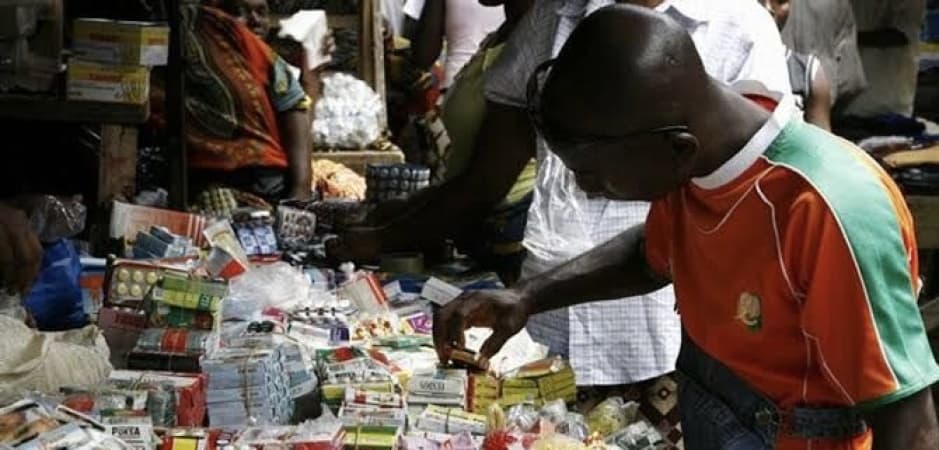
- Relief Market for overflow trading

- Electrical Market and Building Materials Market for construction and industry

This network of markets creates a commercial ecosystem, making Onitsha the ultimate destination for wholesale and retail trade.
The Market of the Future
With the rise of e-commerce and digital payment systems, many predicted that physical markets would decline. Yet Onitsha proves otherwise. Instead of disappearing, the market is adapting, merchants now use WhatsApp, Instagram, and Jumia to sell their goods globally. Technology has not replaced the market, it has extended it.
The question now is not whether Onitsha will survive, but how it will continue to reinvent itself as Africa’s largest informal trading hub.
Why This Story Matters to Every Nigerian
Every time a trader from Lagos sells imported fabrics, or a retailer in Kano stocks their shop with goods, chances are those items passed through Onitsha. The market’s reach is nationwide, feeding smaller markets across Nigeria and West Africa.
Understanding Onitsha’s story is about more than history, it is about recognizing the power of markets to transform societies. Markets are where economies breathe, and Onitsha’s Main Market shows us why.
Conclusion
Onitsha Main Market is more than a place of business, it is a living monument to the resilience, creativity, and enterprise of the Nigerian people. It survived wars, fires, and economic crashes, yet continues to stand tall as the market that never sleeps.
When we ask, “Why does Onitsha Market matter?” the answer is simple: because it is not just a market, it is an institution shaping the past, present, and future of Africa’s economy.



